Neurorehabilitation, Neuro physiotherapy Complex neuro disability management and Complex Respiratory management
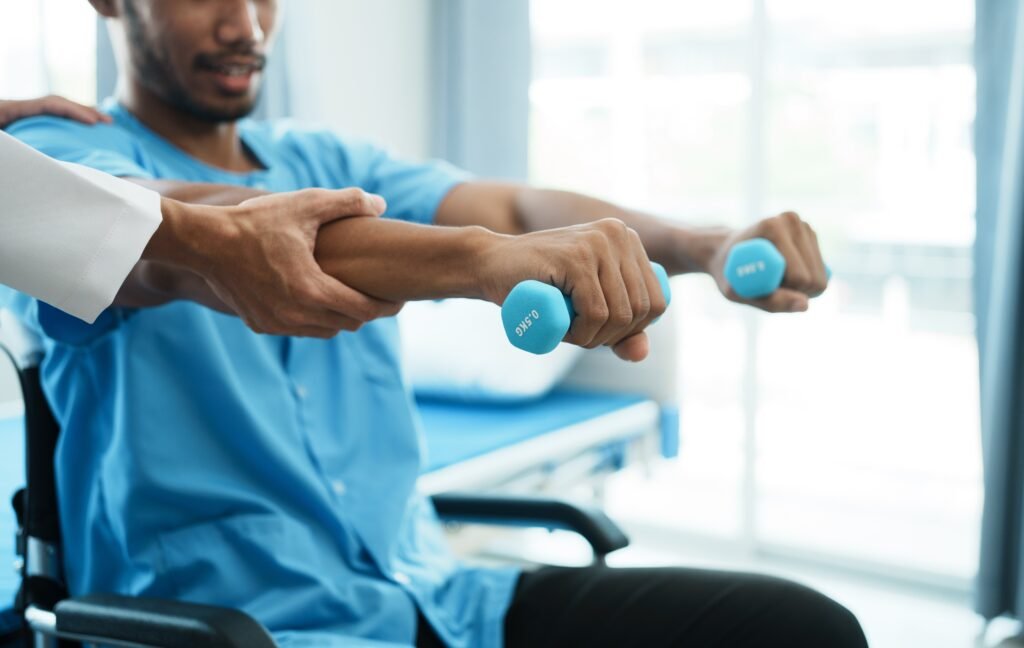
Neurorehabilitation and Physiotherapy treatment and prescription for patients with Stroke, acquired brain injuries, spinal cord injury, MS and other neurological conditions. Neurological Physiotherapy and Complex Neuro-disability management, for adults with a long term condition, congenital neurological conditions like cerebral palsy and other developmental disorders and physical disabilities.
Spasticity Management
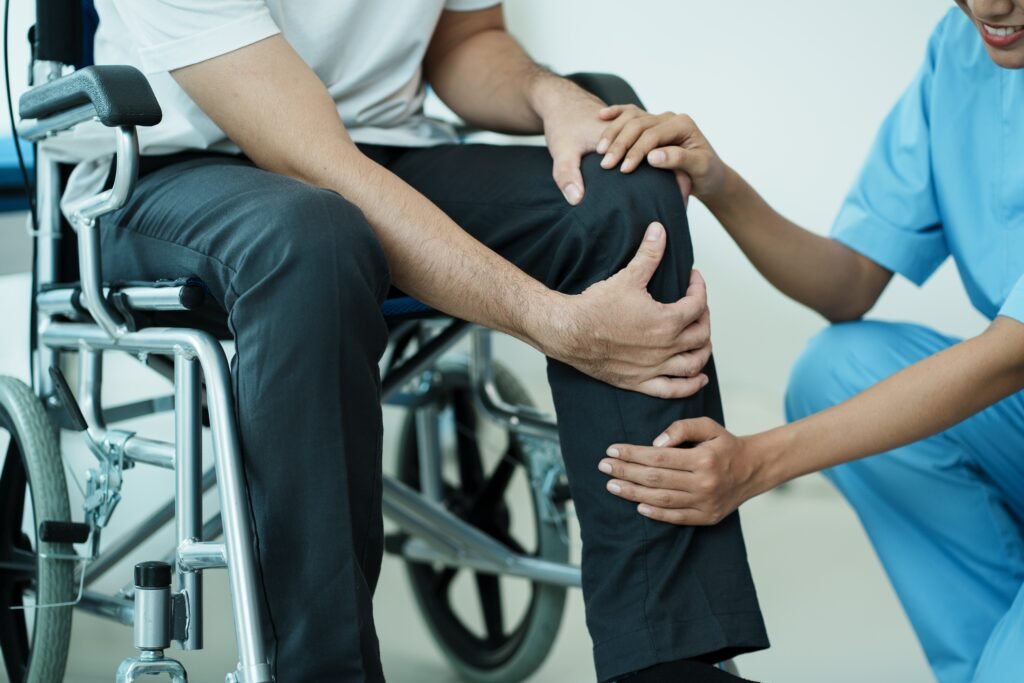
Spasticity (muscle tone or tightness) management, advise on drug therapy, botulinum (Botox) injections, post-injection physiotherapy management including fibreglass and thermoplastic splinting. Onward referral to specialists including Intrathecal baclofen and Phenol treatments.

24-hr posture management
Postural assessment, 24-hr posture management including wheelchair/ Special seating prescriptions, wheelchair accessories prescription, sleep system and positioning aids prescription and training for carers.

Swallowing Disorders
Swallowing problems are common in patients with a neurological disease, acquired brain injury and in those who need mechanical ventilation or tracheostomy for breathing. Swallowing problems arise from changes in the anatomy in the throat, by the insertion of tracheostomy tube or changes in the systems that control sensation, taste and muscular control.
Specialist dietary advice
Our Speech and Language Therapists provide advice on consistency of food and feeding techniques to minimise the risk of choking or aspirating food/fluids into the lungs. Some patients may be at risk of choking or aspiration because they are unable to take food or fluid by mouth and require feeding via a tube (PEG/ RIG/ JIG) placed directly into the stomach.
Monitoring nutrition
Good nutrition is vital for health and wellbeing and to prevent complications such as pressure ulcers and increased susceptibility to infection. We assess the nutritional status of our clients using the Malnutrition Universal Screening Tool (MUST); this is repeated at regular intervals, so early action can be taken if needed.
Patients with swallowing disorders have a higher risk of poor nutrition as they are able to manage only small amounts of food and modifying the consistency can in some cases reduce the nutritional value. Our Dietician works with patients, catering and nursing staff to advise on menu planning and to analyse nutritional values.

Assistive technology
Most of us communicate with others and interact with our environment without giving it a second thought. Some of our clients cannot do this and benefit from the use of assistive technology which has advanced greatly in recent years.
Communicating through technology
The aim of assistive technology is to allow the patient to communicate. We help patients to decide what type of technology would help and find a way for them to operate it.
Selecting the best option
We have an extensive range of equipment including eye gaze technology and a high level of staff expertise to ensure it is used for the maximum benefit of patients.
We work closely with each patient and where possible equipment is combined to facilitate both communication and independent control of their environment using appropriate technology

Discharge planning
Our experienced Occupational therapists and Physiotherapists can help plan your discharge, including advising on home modifications, design, adaptations and necessary planning approvals.
Our clinicians manage community referrals and liaise with the community teams to order and have in place necessary equipment to ensure a safe and successful discharge.
Frequently
asked questions
About our clinical services
What does spasticity management at Hope Rehab include?
Spasticity (muscle tone or tightness) management includes advice on drug therapy, botulinum (Botox) injections and post-injection physiotherapy management, including fibreglass and thermoplastic splinting. We also provide onward referral to specialists for Intrathecal baclofen and Phenol treatments.
What is 24-hour posture management?
24-hour posture management looks after a person's posture across the whole day and night. It includes postural assessment, wheelchair/ special seating prescriptions, wheelchair accessories prescription, sleep system and positioning aids prescription, and training for carers.
Can you help with swallowing problems after a brain injury or tracheostomy?
Yes. Our Speech and Language Therapists support people with swallowing problems caused by neurological disease, acquired brain injury, mechanical ventilation or a tracheostomy. They advise on food consistency and feeding techniques to minimise the risk of choking or aspiration.
How do you monitor a patient's nutrition?
We assess our clients' nutritional status using the Malnutrition Universal Screening Tool (MUST) and repeat it at regular intervals, so early action can be taken if needed. Our Dietician also works with patients, catering and nursing staff on menu planning and nutritional values.
Can you help plan a safe discharge home?
Yes. Our Occupational therapists and Physiotherapists help plan your discharge, including advice on home modifications, design, adaptations and planning approvals. We also manage community referrals and liaise with community teams so the right equipment is in place for a safe and successful discharge.